Author: sierc_admin

Turning Historical Experience into Judgment.

In the fourth and final installment of the Futures @ Risk series published in The Globe and Mail, Dr. Laurence B. Mussio and Dr. Cosimo Pacciani use two parallel maritime catastrophes, one in 1816 and one in 2012, to argue that many great disasters are caused not by unknown risks, but by known dangers that institutions choose to ignore. Citing other examples where warnings were recorded, filed, and forgotten, the authors note that institutions excel at producing data and reports but fail at converting experience into action. The authors define this missing capability as “Mnemonic Capital”—an institution’s living capacity to turn historical experience into present judgment—and examine ways this can be achieved.

Read More

The Ghost in the Machine is outpacing the real world.

In this third “Futures @ Risk” essay, Dr. Laurence B. Mussio and Dr. Cosimo Pacciani use art and history to argue that modern society is governed by “Ghost Intelligence”: fast, automated digital systems that operate without the institutional memory needed to understand their physical foundations. While economies have optimized for algorithms, finance, and cloud computing, they have neglected the “Body” of civilization—energy grids, supply chains, materials, and infrastructure—leaving systems vulnerable to adversarial risks in what thinkers describe as a new era where risk is deliberately weaponized. The authors discuss the broader lessons and implications.

Read More

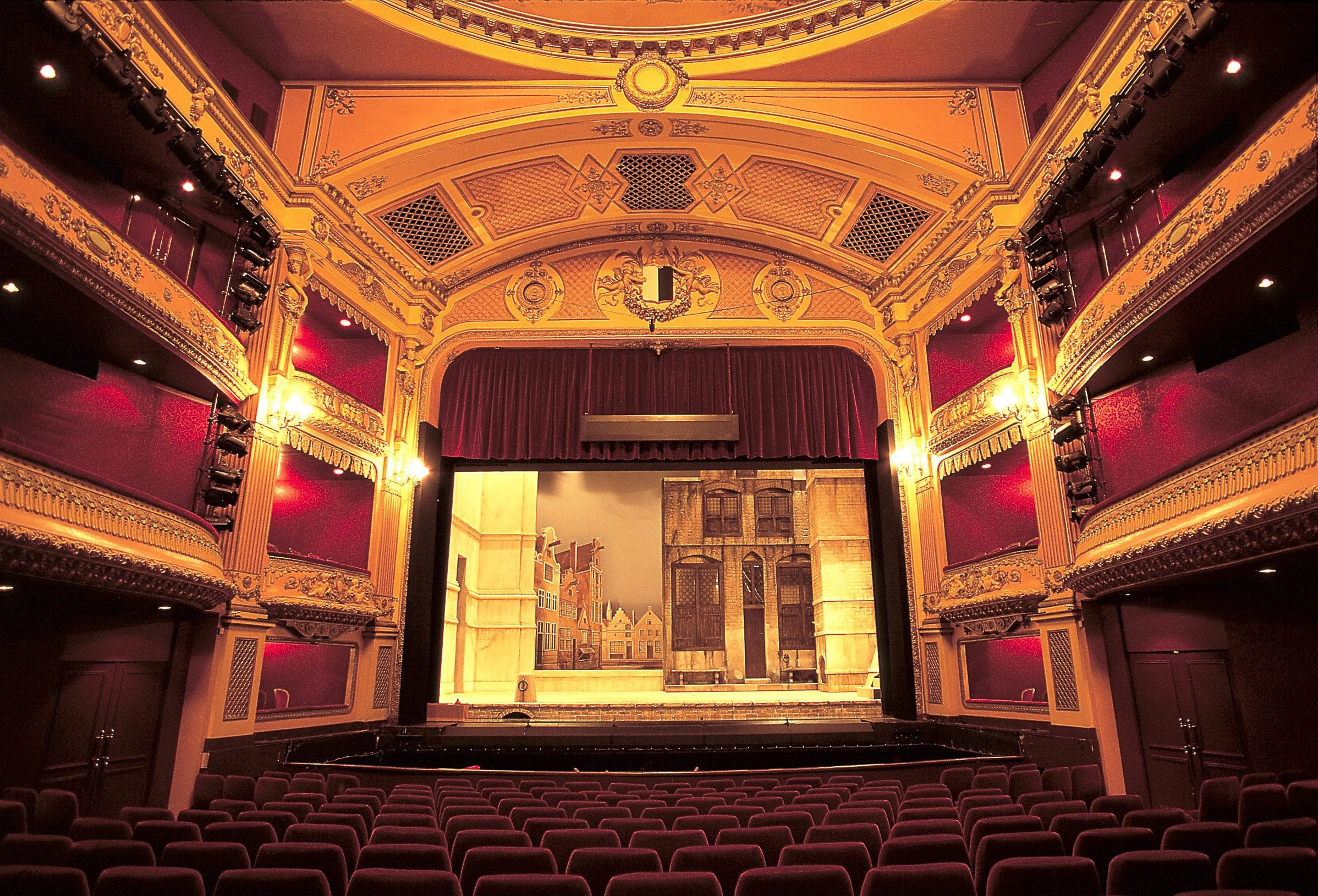
Canada has become a place to be from – and opera can teach us a lesson

Writing in The Globe and Mail, Dr. Laurence B. Mussio recalls a childhood memory of seeing La Traviata in Sarnia and observes how opera can reveal deeper truths about society. While preparing to attend the Canadian Opera Company’s performance of Rigoletto in Toronto, Dr. Mussio notes that Rigoletto actually offers a powerful metaphor for Canada’s current economic and cultural condition.

Read More

Why we forget lessons learned from collapsed bridges, burned towns and financial crises

In their second “Futures @ Risk” essay in The Globe and Mail, Dr. Laurence B. Mussio and Dr. Cosimo Pacciani note the existence of a “strategic amnesia” which allows institutions to document dangers without acting on them. They argue that while disasters often show a recurring pattern, knowledge becomes fragmented across bureaucratic silos, no one is responsible for synthesizing warnings into action, and economic incentives reward continuing operations rather than pausing to address risk. The authors propose various mechanisms to help avoid preventable catastrophes.

Read More

Can ambition triumph over stagnation in Carney’s Ottawa?

In this op-ed, Dr. Mussio observes that Canada excels at creating capital and talent but loses both abroad. Of the $2.3 trillion held by major pension funds, only 25 percent is invested domestically. He argues that weak growth opportunities, regulatory uncertainty, and limited scale are widening Canada’s productivity gap by driving investors and skilled workers to the U.S.—but there are ways to reverse this trend so capital and talent choose to stay and grow the economy at home.

Read More